Choosing coffee beans can feel complicated. Different origins, roast levels, processing methods, and tasting notes can make two bags of coffee taste completely different.
The good news is that you do not need to be a coffee expert to make a good choice.
Learning how to choose coffee beans becomes much easier when you focus on four things: the flavors you enjoy, your brewing method, roast level, and freshness.
This guide will help you find the right coffee for espresso, cappuccino, V60, French press, AeroPress, and everyday home brewing.
Start With the Flavors You Enjoy
Instead of choosing coffee only by country or roast level, start by asking a simpler question:
What do you want your coffee to taste like?
Coffee can naturally contain flavor notes ranging from chocolate and nuts to berries, citrus, and flowers.
Chocolate, Caramel and Nutty Flavors
If you prefer a classic, smooth cup, look for tasting notes such as:
- Chocolate
- Caramel
- Hazelnut
- Almond
- Brown sugar
- Cocoa
Coffees from Brazil, Colombia, and Honduras often work well for people who enjoy this style.
These flavor profiles are especially popular for espresso, cappuccino, latte, and other milk-based drinks.
Fruity and Floral Flavors
If you prefer brighter and more aromatic coffee, look for notes such as:
- Berries
- Citrus
- Peach
- Tropical fruit
- Jasmine
- Flowers
Ethiopian coffees are especially well known for producing distinctive fruity and floral profiles.
These coffees can be excellent for V60, pour-over, AeroPress, and other filter brewing methods.
Balanced and Sweet Coffee
If you are unsure where to start, choose a coffee with balanced sweetness and moderate acidity.
Colombian and Honduran coffees are often a good starting point because they can combine chocolate, caramel, fruit, and gentle acidity in the same cup.
Choose Coffee Beans for Your Brewing Method / how to choose coffee beans
The same coffee can taste very different depending on how it is brewed.
Your brewing method should therefore be one of the main factors when choosing beans.
Coffee Beans for Espresso
Espresso requires a coffee that can produce enough sweetness, body, and intensity in a small concentrated drink.
Many people enjoy medium or light-medium roasted coffees with chocolate, caramel, nutty, or balanced fruit characteristics.
Brazil, Colombia, and Honduras can all work very well for espresso.
If you prefer modern specialty espresso with brighter acidity and more fruit, lighter roasted coffees can also be excellent.
Internal link: Link Best Espresso Beans to your existing Best Espresso Beans in Tbilisi & Batumi, Georgia article.
Coffee Beans for Cappuccino and Latte
Milk changes the way coffee flavors are perceived.
Chocolate, caramel, nutty, and naturally sweet coffees usually combine particularly well with milk.
For a classic cappuccino or latte, consider Brazil, Colombia, or Honduras.
For a more unusual milk drink, you can experiment with fruitier coffees.
Internal link: Link best coffee beans for cappuccino and latte to your existing article.
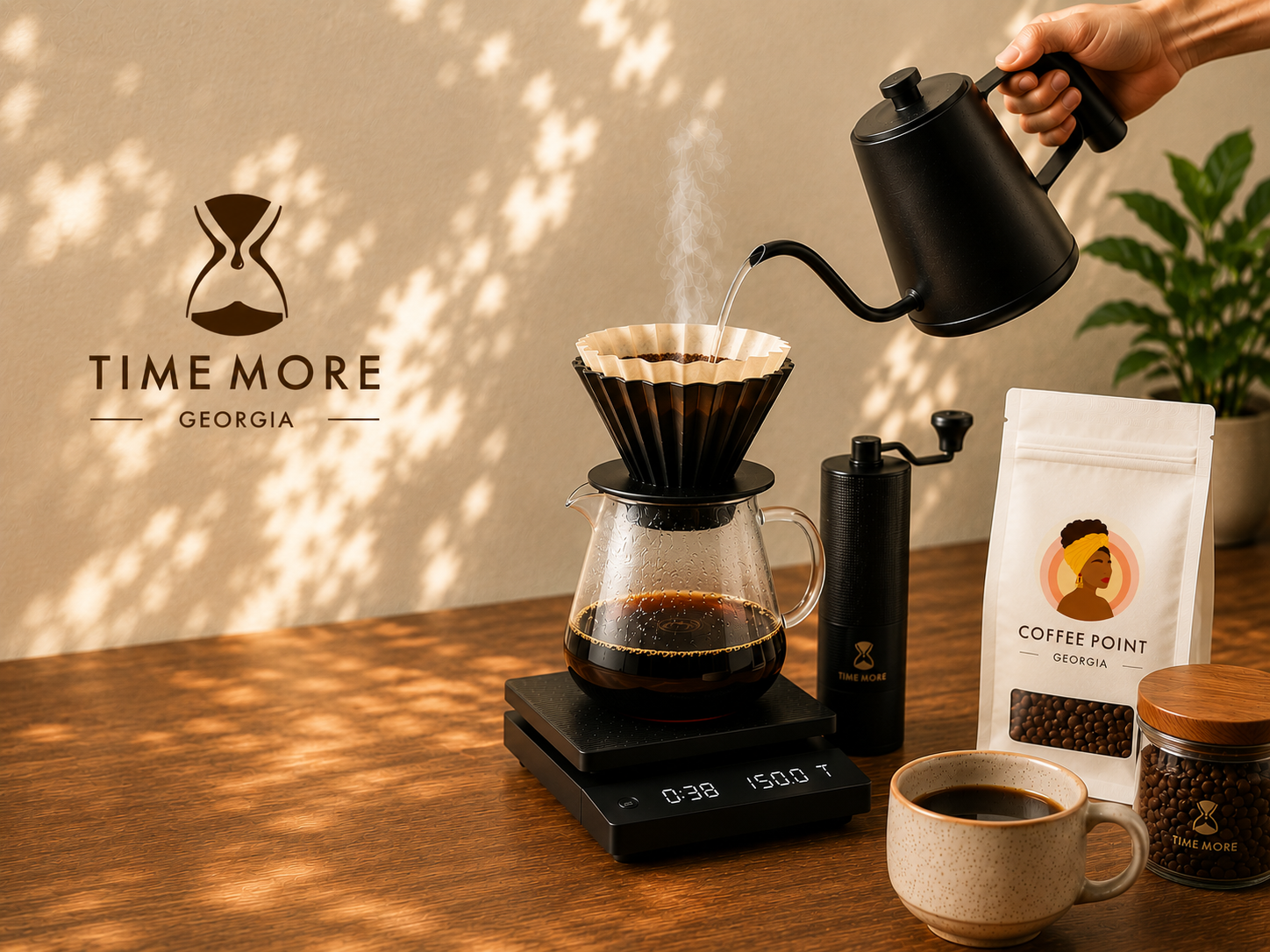
Coffee Beans for V60 and Pour-Over
Pour-over brewing highlights clarity, aroma, acidity, and subtle flavor differences.
This makes V60 especially suitable for coffees with floral, citrus, berry, or fruit characteristics.
Ethiopian and other high-quality single-origin coffees are popular choices.
Internal link: Link How to Brew Pour Over Coffee to your existing V60 Beginner Guide.
Coffee Beans for French Press and AeroPress
Both brewing methods are flexible.
For French press, many people enjoy coffees with good body, sweetness, chocolate, or nutty flavors.
AeroPress can work with almost any coffee and is especially useful if you enjoy experimenting with different origins and roast levels.
Choose the Right Roast Level
Roast level has a major influence on how coffee tastes.
| Roast Level | Typical Character | Good For |
|---|---|---|
| Light Roast | Bright, aromatic, origin-focused | V60, filter, AeroPress |
| Medium Roast | Balanced, sweet, versatile | Espresso, filter, milk drinks |
| Dark Roast | Stronger roast character, lower perceived acidity | Traditional espresso, milk drinks |
These are general guidelines rather than strict rules.
A light roast can make excellent espresso, while a medium roast can work beautifully as filter coffee.
What matters most is whether the roast profile suits the coffee and the flavor you enjoy.
Internal link: Link coffee roast levels to your Coffee Roasting Guide: From Green Beans to Perfect Roast.
Whole Bean or Ground Coffee?
Whenever possible, buying whole beans and grinding them shortly before brewing gives you more control over freshness and grind size.
Once coffee is ground, its much larger exposed surface area causes aromas to disappear more quickly.
Whole beans are therefore the better choice if you own a suitable grinder.
Ground coffee is still convenient, especially if you do not have a grinder. The important part is choosing the correct grind size for your brewing method.
For example:
- Espresso → fine
- V60 → medium-fine
- AeroPress → depends on recipe
- French press → medium-coarse to coarse
Check the Roast Date
Freshness matters when buying specialty coffee.
A useful coffee bag should ideally tell you when the coffee was roasted.
However, freshly roasted does not necessarily mean the coffee should always be brewed immediately. Coffee releases carbon dioxide after roasting and often benefits from some resting time.
The ideal resting period varies depending on the coffee, roast profile, packaging, and brewing method.
Internal link: This is the perfect place to add your future Coffee Degassing article.
Read the Coffee Bag
A specialty coffee label can tell you a lot about what to expect.
Look for information such as:
Origin
The country, region, and sometimes the farm or producer tell you where the coffee was grown.
Processing Method
Washed, natural, honey, and other processing methods can influence sweetness, body, acidity, and aroma.
Internal link: Link coffee processing methods to your existing processing article.
Tasting Notes
Tasting notes are not added flavors.
They describe aromas and flavors that the coffee may naturally remind you of, such as chocolate, berries, citrus, caramel, or flowers.
Roast Level
The roast level gives you a general indication of whether the coffee will emphasize origin characteristics or stronger roast flavors.
Quick Coffee Finder
If you still are not sure what to buy, use this simple starting point:
| If You Like… | Look For… |
|---|---|
| Chocolate & nuts | Brazil |
| Caramel & balanced sweetness | Colombia |
| Chocolate, caramel & gentle fruit | Honduras |
| Fruity & floral flavors | Ethiopia |
| Cappuccino & latte | Brazil, Colombia, Honduras |
| Classic espresso | Colombia, Brazil, Honduras |
| V60 / Pour-over | Ethiopia and fruit-forward single origins |
| Versatile everyday coffee | Colombia or Honduras |
Coffee is personal, so these are starting points rather than strict rules. Experimenting with different origins is one of the best ways to discover what you enjoy.
How Much Coffee Should You Buy?
Buying very large quantities may seem economical, but coffee tastes best when you can use it while it is still fresh.
For most home drinkers, it makes more sense to buy smaller amounts regularly rather than keeping an opened bag for a very long time.
Keep coffee sealed and away from excessive heat, moisture, light, and strong odors.
Internal link: Link How to Store Coffee Beans Properly to your existing storage guide.
Find Your Coffee at Coffee Point
Choosing coffee becomes easier once you know what flavors and brewing styles you enjoy.
At Coffee Point, we roast specialty coffee in small batches and offer coffees for espresso, cappuccino, latte, V60, AeroPress, French press, and other brewing methods.
Prefer chocolate, caramel, and a smooth body? Explore coffees from Brazil, Colombia, or Honduras.
Prefer brighter fruit and floral aromas? Try an Ethiopian coffee or another fruit-forward single origin.
👉 Shop Freshly Roasted Coffee Beans
Frequently Asked Questions
What coffee beans are best for beginners?
Balanced coffees with chocolate, caramel, nutty, and gentle fruit notes are often an easy starting point. Colombia and Honduras are versatile options for many brewing methods.
Should I buy light or medium roast coffee?
Choose based on the flavors you enjoy. Light roasts usually emphasize origin character and brighter flavors, while medium roasts often provide more balance, sweetness, and body.
Are whole coffee beans better than ground coffee?
Whole beans generally retain aroma longer and allow you to grind specifically for your brewing method. Ground coffee is more convenient if you do not own a grinder.
Which coffee beans are best for milk drinks?
Coffees with chocolate, caramel, nutty, and naturally sweet profiles often pair well with milk. Brazil, Colombia, and Honduras are good places to start.
Which coffee beans are best for V60?
V60 works especially well with aromatic coffees that have fruit, floral, citrus, or complex sweetness. Ethiopian coffees are a popular choice, although many origins can produce excellent pour-over coffee.