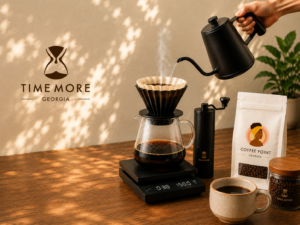
The best coffee beans for automatic coffee machines are the ones that suit both your taste and your machine. For an approachable starting point, choose freshly roasted whole beans with a balanced medium roast, chocolate or caramel notes, and no added coatings.
Whether you use a De’Longhi, Philips, Jura, Siemens, TimeMore, or another bean-to-cup machine, the coffee you put in the hopper has a major influence on your drink. Settings matter too: the same beans can taste weak, bitter, or pleasantly balanced depending on coffee strength, grind size, and drink volume.
This guide explains how to choose your beans, what to avoid, and how to get more satisfying coffee from an automatic machine at home.
How to Choose the Best Coffee Beans for Automatic Coffee Machines
A bean-to-cup machine grinds whole beans and prepares your drink using its built-in brewing system. Unlike a separate grinder and manual espresso machine, it gives you a more limited range of adjustments.
A useful starting checklist is:
- Plain roasted whole beans without sugar, flavour coatings, or other additives.
- A roast level that suits your preferred drinks.
- A clear roast date and sensible storage.
- A flavour profile you enjoy.
- Beans that meet the requirements in your machine’s manual.
For everyday espresso and milk drinks, chocolate, caramel, and nutty profiles are often an easy place to start. If you prefer fruitier coffee, you can explore brighter profiles once you are comfortable adjusting your machine.
Which Roast Level Should You Choose?
Medium Roast: A Practical Starting Point
A balanced medium roast is our suggested starting point for many home users.
It can offer sweetness, body, and enough flavour to work across several drinks without relying on an intensely roasted taste. It is particularly useful when different people in the household enjoy espresso, Americano, and cappuccino from the same bag.
However, “medium roast” is not a universal standard. Check the roaster’s description rather than judging by the label alone.
Light Roast: For Brighter Flavours
Light-roasted coffee can produce enjoyable results in an automatic machine, especially if you like lively acidity and fruit notes.
It may take more experimentation to find a satisfying balance. If your coffee tastes sharply sour, review the grind, temperature, and drink settings available on your model before deciding that the beans are unsuitable.
A brighter coffee is a flavour choice, not automatically a better or worse coffee.
Dark Roast: Check the Beans and Your Manual
If you prefer an intense roasted flavour, a darker roast may appeal to you. Pay attention to the surface of the beans and your manufacturer’s instructions.
Very dark beans can have a pronounced oily surface. Some manufacturers advise avoiding excessively oily, caramelised, or coated beans because they may interfere with bean feeding or stick to the grinder. Always check your machine’s manual for its specific requirements.
Do not assume that every dark roast is unsuitable. Choose plain roasted beans and follow the guidance for your particular machine.
Coffee Beans to Avoid Putting in the Hopper
The bean hopper is designed for whole roasted coffee beans.
Avoid adding:
- Instant coffee.
- Ground coffee.
- Unroasted green coffee.
- Sugar-coated or caramelised beans.
- Beans treated with flavourings or other coatings when your manufacturer prohibits them.
If your machine has a separate compartment for ground coffee, use it only as directed in the manual. It is different from the whole-bean hopper.
Also, remember that tasting notes such as chocolate, caramel, or hazelnut do not necessarily mean ingredients have been added. In specialty coffee, these words commonly describe the coffee’s natural flavour and aroma.
Choose Beans for the Drinks You Make Most Often
For Espresso and Americano
Look for a balance of sweetness, body, and acidity.
Chocolate and caramel profiles are approachable options, while coffees with gentle fruit notes can add variety. Start by tasting a short black coffee: it makes it easier to assess the beans before adding milk or extra water.
For an Americano, try brewing an espresso and adding hot water separately, if your machine allows it. Compare this with the machine’s long-coffee programme and choose the version you prefer.
For Cappuccino and Latte
Look for a coffee whose flavour remains noticeable after milk is added.
Chocolate, nutty, and caramel profiles are useful starting points. If your latte tastes mostly of milk, try increasing the coffee strength or reducing the milk quantity before changing beans.
For more guidance on flavour combinations, read our Best Coffee Beans for Cappuccino and Latte article.
Coffee Point Beans to Try in Your Automatic Machine
These three coffees offer different starting points depending on the flavours you enjoy. Choose according to the current product description and your machine’s bean requirements.
Brazil Cerrado: For Chocolate and Nutty Flavours
Our Brazil Cerrado coffee beans offer chocolate and roasted-nut notes with low perceived acidity.
Consider this coffee if you prefer a classic flavour profile and usually drink cappuccino, latte, or a smooth black coffee.
It is an approachable choice for someone who enjoys a chocolate-forward cup rather than prominent fruit acidity.
Colombia Supremo: For a Versatile Everyday Coffee
Our Colombia Supremo coffee beans have a medium roast with chocolate, caramel, nuts, and mild citrus notes.
This is our suggested first option if you make both black coffee and milk drinks. Its balanced profile gives you room to explore different drink settings without immediately moving to a strongly roasted flavour.
Honduras SHG: For Chocolate, Caramel, and Gentle Fruit
Our Honduras SHG coffee beans combine chocolate and caramel with mild fruit notes.
Choose this medium-roasted coffee if you want an everyday espresso with some fruit character, or a coffee you can also enjoy with milk.
| Your Preference | Suggested Starting Point |
|---|---|
| Chocolate, nuts, and lower perceived acidity | Brazil Cerrado |
| Chocolate, caramel, and balanced citrus | Colombia Supremo |
| Chocolate, caramel, and gentle fruit notes | Honduras SHG |
These are flavour-based suggestions. Your machine’s settings and your personal taste will influence the final cup.
How to Improve the Taste Before Changing Beans
If a new coffee does not taste right immediately, make small adjustments rather than changing several settings at once.
If Your Coffee Tastes Weak or Watery
First, check the coffee strength and drink volume.
Try a higher strength setting or a smaller drink. If the machine sends a large amount of water through a small coffee dose, the result can taste thin.
If needed, explore a slightly finer grind within the manufacturer’s recommended range.
If Your Coffee Tastes Bitter
Check whether you are using a very dark roast or brewing a long drink through the same coffee dose.
Try a shorter drink, review the grind setting, and compare a more balanced roast. Keep up with the cleaning programme too: accumulated coffee residue can affect flavour.
If Your Coffee Tastes Sharply Sour
Some acidity is part of the coffee’s natural character. An unpleasantly sharp cup may also benefit from changes to extraction.
Depending on your model, try a slightly finer grind or a higher brewing temperature. If you simply prefer less brightness, choose a coffee with a chocolate-forward profile.
Change One Setting at a Time
Grinder adjustment procedures differ between machines. Follow your manual, make small changes, and allow the machine’s recommended number of drinks before judging the result.
Avoid copying a grinder number from another model: the same number does not necessarily represent the same grind size.
Freshness and Storage for Bean-to-Cup Coffee
Look for a roast date, but remember that coffee does not always taste best immediately after roasting. The useful resting period varies with the beans, roast, and brewing method. Ask your roaster when to start brewing a particular coffee.
Avoid filling a large hopper simply because it has space. Add an amount you will use reasonably soon, keep the lid closed, and store the remaining beans in a sealed bag or suitable container away from heat and moisture.
If you drink coffee slowly, begin with a smaller bag before buying a larger quantity.
Our guide on how to store coffee beans properly explains how to protect your coffee between refills.
Buy Coffee Beans for Automatic Machines in Georgia
At Coffee Point, we roast coffee in Georgia and offer whole beans for home brewing.
If you are unsure where to start, consider Colombia Supremo for a versatile everyday cup, Brazil Cerrado for chocolate and nutty flavours, or Honduras SHG for chocolate, caramel, and gentle fruit notes.
Tell us your machine model, your favourite drink, and whether you prefer a classic or brighter flavour. We can help you choose a starting point from our current selection.
Shop freshly roasted coffee beans online for delivery across Georgia, or visit Coffee Point in Batumi and Tbilisi.
Want to Enjoy Espresso Away from Home?
For travel, office use, or weekend trips, the Nuttii E-Coffee Portable Espresso Maker offers a compact way to prepare coffee. Its rechargeable battery and built-in water heating let you brew without a nearby power outlet. It works with ground coffee or compatible capsules, so you can also enjoy your favourite Coffee Point beans freshly ground before brewing. Unlike a bean-to-cup machine, it requires the coffee to be ground separately.
Frequently Asked Questions
What are the best coffee beans for automatic coffee machines?
Start with plain roasted whole beans that meet your machine’s requirements. A balanced medium roast with chocolate, caramel, or nutty notes is an approachable choice for everyday espresso and milk drinks.
Can I use 100% Arabica in a bean-to-cup machine?
Yes, provided the beans meet your manufacturer’s requirements. Arabica and Arabica–Robusta blends can both be used; your preferred flavour is more useful than assuming one type is always best.
Do I need beans labelled “espresso”?
No. “Espresso” usually describes the roaster’s intended use or flavour profile. You can try other roasted whole beans as long as they are suitable for your machine.
Are oily beans suitable for an automatic coffee machine?
Check your model’s manual. Some manufacturers advise avoiding excessively oily beans because they may affect the grinder or bean feeding. Do not use coated or treated beans when they are prohibited.
Can I put ground coffee in the bean hopper?
No. Use whole roasted beans in the hopper. Only put ground coffee in a separate bypass compartment if your machine has one and the manual permits it.
Which Coffee Point coffee should I try first?
Try Colombia Supremo if you want one coffee for both espresso and milk drinks. Choose Brazil Cerrado if you prefer chocolate and nutty notes with lower perceived acidity, or Honduras SHG if you enjoy gentle fruit alongside chocolate and caramel.