Master the Art of Brewing Specialty Coffee at Home
Learning how to brew pour over coffee with a V60 is one of the best ways to experience the true potential of specialty coffee.
Unlike automatic coffee makers, the V60 gives you complete control over every important brewing variable — from grind size and water temperature to coffee ratio and pouring technique.
This level of control allows you to highlight the unique flavors, aromas, sweetness, and complexity hidden inside freshly roasted specialty coffee beans.
Among manual brewing methods, the V60 has become one of the most respected tools in the specialty coffee industry. It is widely used by professional baristas, specialty cafés, coffee educators, and brewing competitors because it produces a clean, balanced, and transparent cup.
Whether you are preparing your first V60 coffee or improving your home brewing skills, understanding the fundamentals of extraction will help you consistently create better coffee.
In this guide, you will learn:
- What pour over coffee is
- How the V60 works
- Why specialty coffee lovers choose V60 brewing
- Which equipment you need
- How grind size affects flavor
- Professional brewing standards inspired by SCA recommendations
- How to choose the right coffee beans
- How to improve extraction and fix common brewing problems
What Is Pour Over Coffee?
Pour over coffee is a manual brewing method where hot water is carefully poured over freshly ground coffee placed inside a paper filter.
Gravity pulls the water through the coffee bed, extracting soluble compounds such as:
- Natural sugars
- Organic acids
- Aromatic compounds
- Flavor molecules
- Coffee oils
The brewed coffee then flows into a server or cup.
Unlike espresso, which uses high pressure, or immersion methods such as French Press, pour over coffee uses controlled percolation.
This means water continuously passes through the coffee grounds, allowing the brewer to control the extraction process.
The final cup is usually characterized by:
- High clarity
- Clean finish
- Balanced sweetness
- Defined origin flavors
This makes pour over one of the best brewing methods for experiencing specialty coffee.
Why Pour Over Coffee Is Popular in Specialty Coffee
Specialty coffee is about understanding the unique characteristics of each coffee.
Every coffee bean carries information about:
- Origin
- Altitude
- Variety
- Processing method
- Roast profile
A well-prepared pour over allows these characteristics to become more noticeable.
For example:
Ethiopian coffee may show:
- Jasmine
- Citrus
- Bergamot
- Tea-like notes
Colombian coffee may show:
- Caramel sweetness
- Chocolate
- Red fruit acidity
Honduran coffee may show:
- Honey sweetness
- Chocolate
- Nutty flavors
For more information about how coffee processing affects flavor, read our guide:
➤ Coffee Processing Methods: From Coffee Cherry to Green Coffee Bean
What Is a V60?
The V60 is one of the world’s most popular pour over coffee brewers.
It was created by the Japanese company Hario and became famous because of its simple design and ability to provide complete brewing control.
The name “V60” comes from its:
60-degree cone angle
This shape plays an important role in controlling water flow and extraction.
The V60 design is based on three main features:
1. Cone Shape
The cone-shaped design directs water toward the center of the coffee bed.
This increases contact between water and coffee particles and helps create a more even extraction.
2. Spiral Ribs
The spiral ridges inside the V60 create air channels between the filter and dripper wall.
These channels help:
- Coffee expand during blooming
- Water flow more evenly
- Improve extraction consistency
3. Large Single Opening
Unlike many brewers with multiple small holes, the V60 uses one large opening.
This gives the brewer control over:
- Flow speed
- Contact time
- Extraction level
A slower flow generally increases extraction, while a faster flow produces a lighter extraction.
Why Choose a V60?
Exceptional Flavor Clarity
The paper filter removes most oils and fine particles, creating a clean cup where subtle flavors become easier to recognize.
A V60 can highlight:
- Floral aromas
- Fruity acidity
- Natural sweetness
- Delicate coffee characteristics
Complete Brewing Control
With a V60, you control:
- Coffee dose
- Grind size
- Water temperature
- Brew ratio
- Pouring speed
- Brew time
This allows you to adjust recipes for different coffees.
Affordable Professional Brewing
One of the biggest advantages of V60 brewing is accessibility.
A complete setup requires:
- V60 dripper
- Paper filters
- Burr grinder
- Gooseneck kettle
- Coffee scale
- Fresh specialty coffee
Compared with espresso equipment, a V60 setup provides professional-quality brewing at a much lower cost.
Recommended Pour Over Equipment
To achieve consistent results, using quality equipment is important.
Timemore Coffee Grinder
A consistent grinder is the foundation of good pour over coffee.
Timemore grinders are popular among specialty coffee enthusiasts because they provide:
- Precise grinding adjustment
- Consistent particle size
- Portable design
- Excellent value
Recommended:
➤ Timemore Manual Coffee Grinders
Timemore Coffee Scale
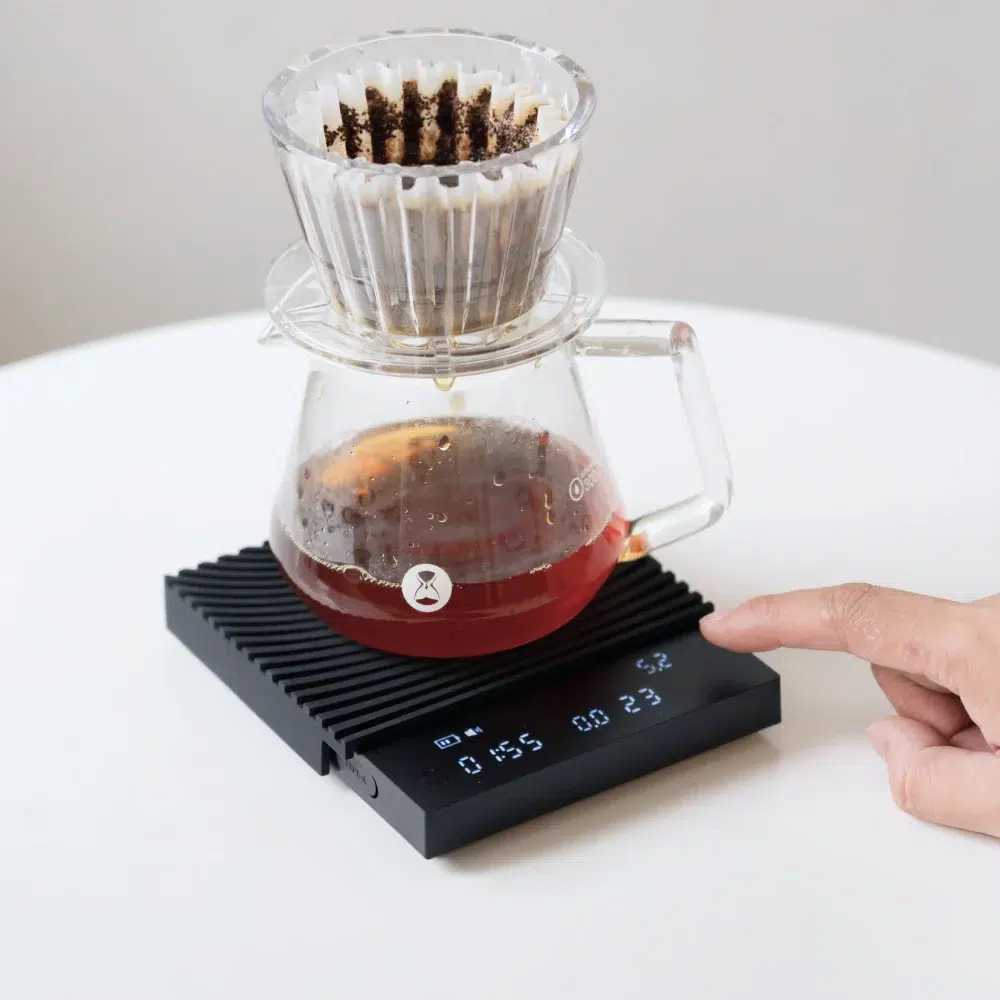
Precision is essential for pour over brewing.
A coffee scale allows you to accurately measure:
- Coffee dose
- Water amount
- Brew ratio
- Extraction time
Recommended:
Gooseneck Kettle
A gooseneck kettle provides better control over water flow.
It helps you:
- Pour slowly and evenly
- Control agitation
- Maintain consistent extraction
Recommended:
V60 Dripper and Filters
A quality dripper and fresh paper filters complete your brewing setup.
Recommended:
➤ V60 Brewers and Coffee Filters 🛍️ Buy Now
SCA Golden Cup Brewing Standards
Professional specialty coffee brewing often uses the Specialty Coffee Association (SCA) Golden Cup recommendations as a starting point.
These standards help brewers achieve balanced extraction.
| Brewing Parameter | Recommended Range |
|---|---|
| Coffee Ratio | 55–60 g coffee per 1 litre water |
| Water Temperature | 90–96°C |
| Extraction Yield | 18–22% |
| Brew Strength (TDS) | 1.15–1.35% |
| Brew Time | 2:30–3:30 minutes |
These values are not strict rules. Every coffee is different and may require adjustments depending on:
- Roast level
- Processing method
- Origin
- Grinder
- Personal taste
Professional brewing starts with these guidelines and improves through testing and tasting.
Why Water Quality Matters for V60 Coffee
Many beginners focus only on buying high-quality coffee beans, but water is actually the largest ingredient in every cup of coffee.
A brewed filter coffee is approximately 98–99% water, which means water quality has a direct impact on flavor, extraction, and consistency.
Even the best specialty coffee beans cannot reach their full potential if the brewing water contains unsuitable minerals, excessive hardness, or chlorine.
Water affects how coffee compounds dissolve during extraction, influencing:
- Sweetness
- Acidity
- Body
- Aroma
- Flavor clarity
How Minerals Affect Coffee Extraction
Minerals such as calcium and magnesium help extract desirable compounds from coffee.
A balanced mineral composition can improve:
- Sweetness
- Clean finish
- Flavor complexity
However:
- Too little mineral content can create a flat and weak cup
- Excessive minerals can make coffee taste heavy or dull
Alkalinity also plays an important role because it helps balance coffee acidity.
SCA-Inspired Water Guidelines for Specialty Coffee
For filter coffee brewing, many specialty professionals aim for water approximately within these ranges:
| Water Parameter | Recommended Range |
|---|---|
| Total Hardness | 50–175 ppm as CaCO₃ |
| Alkalinity | 40–75 ppm as CaCO₃ |
| pH | 6.5–7.5 |
| Chlorine | 0 ppm |
If your tap water has:
- Strong chlorine smell
- Very high mineral content
- Unpleasant taste
using filtered or professionally balanced water can significantly improve your V60 results.
Essential Equipment for Brewing V60 Coffee
A great V60 coffee does not require expensive equipment, but each tool plays an important role in achieving consistency.
Professional baristas understand that excellent coffee comes from combining:
- Quality beans
- Precise measurements
- Consistent grinding
- Proper brewing technique
Choosing the Right V60 Dripper
The V60 is available in different sizes and materials.
🛍️ Buy Now : V60 Size Options
V60 01
Designed for smaller brewing volumes.
Recommended for:
- Single cup brewing
- Smaller coffee doses
V60 02
The most popular size worldwide.
Recommended for:
- Home brewing
- 1–4 cups
- Everyday specialty coffee preparation
This is usually the best choice for beginners.
V60 Materials Comparison
Different materials influence heat retention and brewing experience.
| Material | Advantages |
|---|---|
| Plastic | Best thermal stability, affordable, durable |
| Ceramic | Premium design, traditional feel |
| Glass | Elegant appearance, easy cleaning |
| Metal | Durable and travel-friendly |
Plastic V60
Plastic V60 models are often preferred by professional brewers because they maintain brewing temperature very effectively.
Advantages:
- Excellent heat retention
- Lightweight
- Affordable
- Durable
- Easy to use
For beginners who want consistent results, plastic is often the most practical option.
Ceramic V60
Ceramic models provide a premium experience.
Advantages:
- Beautiful design
- Durable construction
- Traditional brewing feel
However, ceramic absorbs heat quickly, so preheating is important before brewing.
Glass V60
Glass versions are popular because they look elegant and allow you to observe the brewing process.
Advantages:
- Attractive appearance
- Easy cleaning
- Transparent design
The main disadvantage is faster heat loss compared with plastic.
Coffee Filters for V60
Paper filters are an important part of the brewing process.
They influence:
- Flow speed
- Coffee clarity
- Final mouthfeel
Before brewing:
- Place the paper filter inside the V60
- Rinse it with hot water
- Discard the rinse water
- Add freshly ground coffee
Rinsing helps:
- Remove possible paper taste
- Preheat the dripper
- Improve temperature stability
Burr Grinder: The Most Important Brewing Tool
A quality grinder is one of the biggest investments for anyone interested in pour over coffee.
Freshly ground coffee preserves more:
- Aroma
- Sweetness
- Flavor complexity
A burr grinder produces more consistent particles compared with blade grinders.
Why Grind Consistency Matters
Coffee grounds contain different particle sizes.
A poor grinder creates:
Fine Particles (Fines)
Extract too quickly and may create:
- Bitterness
- Dry aftertaste
Large Particles (Boulders)
Extract too slowly and may create:
- Sour flavors
- Weak body
A consistent grind allows water to extract coffee evenly.
Recommended Timemore Grinders for Pour Over
For specialty coffee brewing, Timemore grinders are popular because they combine precision, portability, and excellent build quality.
Recommended models: 🛍️ Buy Now
Timemore Chestnut S3 / Premium Series
Designed for users who want more control and precision.
Suitable for:
- Specialty coffee enthusiasts
- Different brewing methods
- Advanced pour over recipes
Coffee Scale: Precision Creates Consistency
A coffee scale allows you to repeat successful recipes.
Without accurate measurements, every brew becomes different.
A scale helps measure:
- Coffee dose
- Water amount
- Brew ratio
- Total brew time
Example:
Instead of:
“Add some coffee and water”
You can repeat:
- 15 g coffee
- 250 g water
- 93°C temperature
- 3-minute brew time
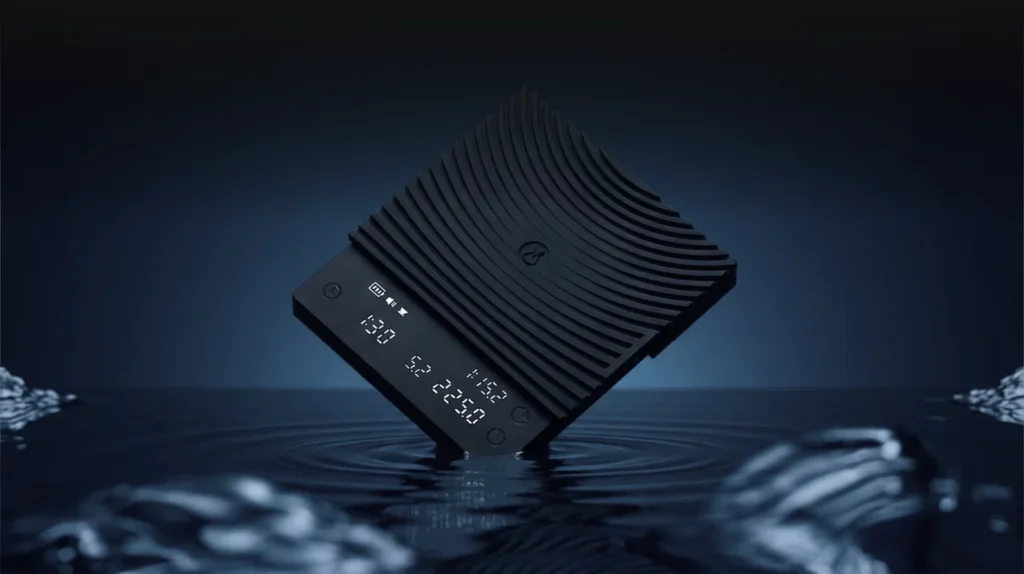
Recommended Timemore Coffee Scales
Timemore Black Mirror Series
Designed specifically for coffee brewing.
Features:
- Fast response
- Accurate measurements
- Timer function
- Minimal design
Perfect for:
- V60
- Pour over
- Espresso preparation
Gooseneck Kettle for Better Pour Control
A gooseneck kettle gives you precise control over water flow.
This helps with:
- Even coffee saturation
- Controlled extraction
- Consistent pouring technique
Important features:
- Temperature control
- Comfortable handle
- Stable pouring speed
Recommended:
Pour Over Gooseneck Kettle
Fresh Coffee Beans: The Foundation of Great V60
Equipment can improve your brewing, but the coffee itself remains the most important factor.
For V60 brewing, choose:
- Freshly roasted specialty coffee
- Whole beans
- Correct roast profile
- Proper storage
Always check:
- Roast date
- Origin
- Processing method
- Tasting notes
Best Coffee Origins for V60
Ethiopia Coffee Beans
Typical notes:
- Jasmine
- Citrus
- Bergamot
- Tea-like sweetness
Excellent for drinkers who enjoy bright and floral coffees.
Colombia Coffee Beans
Typical notes:
- Caramel
- Chocolate
- Red fruits
- Balanced acidity
A great choice for beginners.
Kenya Coffee Beans
Typical notes:
- Berry flavors
- Juicy acidity
- Complex sweetness
Honduras Coffee Beans
Typical notes:
- Honey
- Chocolate
- Nuts
- Balanced sweetness
Guatemala Coffee Beans
Typical notes:
- Cocoa
- Nuts
- Stone fruit
For a deeper understanding of how coffee origins and processing influence flavor, read:
➤ From Coffee Cherry to Cup – How Specialty Coffee Is Made
Choosing the Right Grind Size for V60 Coffee
Grind size is one of the most important variables in pour over coffee brewing.
The size of coffee particles determines how quickly water flows through the coffee bed and how much flavor is extracted.
A correct grind size helps create a balanced cup with:
- Sweetness
- Clear acidity
- Pleasant body
- Clean finish
For V60 brewing, the recommended starting point is:
Medium-fine grind
The texture should be similar to:
- Granulated sugar
- Fine sea salt
However, grind size is not a fixed rule. It should be adjusted depending on:
- Coffee origin
- Roast level
- Grinder quality
- Water temperature
- Brew time
- Personal taste preference
How Grind Size Changes Coffee Flavor
Grind Too Coarse
When coffee particles are too large, water flows too quickly through the coffee bed.
This reduces extraction and can create:
- Sour taste
- Weak flavor
- Watery body
- Lack of sweetness
Solution:
Try:
- Grinding finer
- Increasing brew time
- Slightly increasing water temperature
Grind Too Fine
When coffee particles are too small, water moves too slowly.
This can cause over-extraction and create:
- Bitter taste
- Dry mouthfeel
- Harsh finish
- Long brew time
Solution:
Try:
- Grinding coarser
- Reducing agitation
- Increasing flow speed
Understanding Coffee Extraction
Extraction is the process where water dissolves flavor compounds from coffee grounds.
During brewing, water extracts different compounds at different stages.
The goal is balanced extraction.
A well-extracted coffee should have:
- Pleasant sweetness
- Balanced acidity
- Clear aroma
- Smooth finish
Under Extraction vs Over Extraction
Under Extraction
Under extraction happens when water removes too few soluble compounds from coffee.
Common causes:
- Grind too coarse
- Brew time too short
- Water temperature too low
- Insufficient contact time
Flavor characteristics:
- Sour
- Thin
- Watery
- Sharp acidity
How to fix:
- Grind finer
- Increase brewing time
- Increase temperature slightly
Over Extraction
Over extraction happens when too many compounds are removed from the coffee.
Common causes:
- Grind too fine
- Brew time too long
- Excessive agitation
- Water temperature too high
Flavor characteristics:
- Bitter
- Dry
- Harsh
- Heavy finish
How to fix:
- Grind coarser
- Reduce agitation
- Shorten brew time
Coffee-to-Water Ratio for V60
The coffee-to-water ratio determines the strength and balance of your final cup.
According to specialty coffee brewing standards, a common starting point is:
55–60 grams of coffee per 1 litre of water
This equals approximately:
1:16 to 1:18 ratio
Recommended V60 Recipes
Single Cup Recipe
Coffee: 15 g
Water: 250 g
Ratio: 1:16.7
Recommended for:
- Daily home brewing
- Beginners
- Light and medium roast coffees
Larger Cup Recipe
Coffee: 20 g
Water: 320 g
Ratio: 1:16
Recommended for:
- Bigger servings
- Balanced body and sweetness
Multiple Cups
Coffee: 30 g
Water: 500 g
Ratio: 1:16.7
Recommended for:
- Sharing coffee
- Longer brewing sessions
Water Temperature for V60 Brewing
Water temperature directly affects extraction.
The recommended specialty coffee range is:
90–96°C (195–205°F)
Different coffees may require small adjustments.
Light Roast Coffee
Light roasted coffees are usually denser and require more energy during extraction.
Recommended:
94–96°C
Benefits:
- Better sweetness
- Improved extraction
- More developed flavors
Medium Roast Coffee
Medium roast coffees usually perform well with:
92–94°C
This provides a balance between:
- Sweetness
- Acidity
- Body
Dark Roast Coffee
Dark roasted coffees are more soluble and extract faster.
Recommended:
90–92°C
Lower temperatures can help prevent:
- Excess bitterness
- Dry flavors
Complete V60 Brewing Recipe (Beginner Method)
This recipe follows specialty coffee brewing principles and is a reliable starting point.
Equipment For Coffee Brewing
You need:
- V60 dripper
- Paper filter
- Burr grinder
- Gooseneck kettle
- Coffee scale
- Timer
Recipe
Coffee: 15 g freshly roasted specialty coffee
Water: 250 g
Temperature: 92–94°C
Grind: Medium-fine
Total brew time: 2:30–3:30 minutes
Step 1: Prepare the Filter
Place the paper filter inside the V60.
Rinse the filter with hot water.
This removes possible paper taste and preheats the brewing equipment.
Discard the rinse water.
Step 2: Add Coffee
Grind your coffee immediately before brewing.
15 g freshly ground coffee
Create an even coffee bed by gently shaking the dripper.
A flat coffee bed helps water move evenly through the coffee.
Step 3: Bloom the Coffee
Start with:
40–50 g water
Pour evenly over the coffee grounds.
Wait:
30–45 seconds
This process is called blooming.
During blooming, carbon dioxide escapes from freshly roasted coffee.
A proper bloom improves:
- Water contact
- Extraction consistency
- Flavor clarity
Step 4: Main Pour
After blooming, continue pouring slowly.
Recommended technique:
- Use circular movements
- Avoid pouring directly onto the paper filter
- Keep the coffee bed evenly saturated
- Maintain controlled flow
A steady pouring technique helps prevent uneven extraction.
Step 5: Finish Brewing
Continue adding water until reaching:
250 g total water
Allow the coffee to drain completely.
Target brew time:
2:30–3:30 minutes
If your brew finishes too quickly:
→ Grind finer
If your brew takes too long:
→ Grind coarser
Timemore Tools for Better V60 Brewing
Precision equipment makes it easier to repeat great results.
Recommended setup:
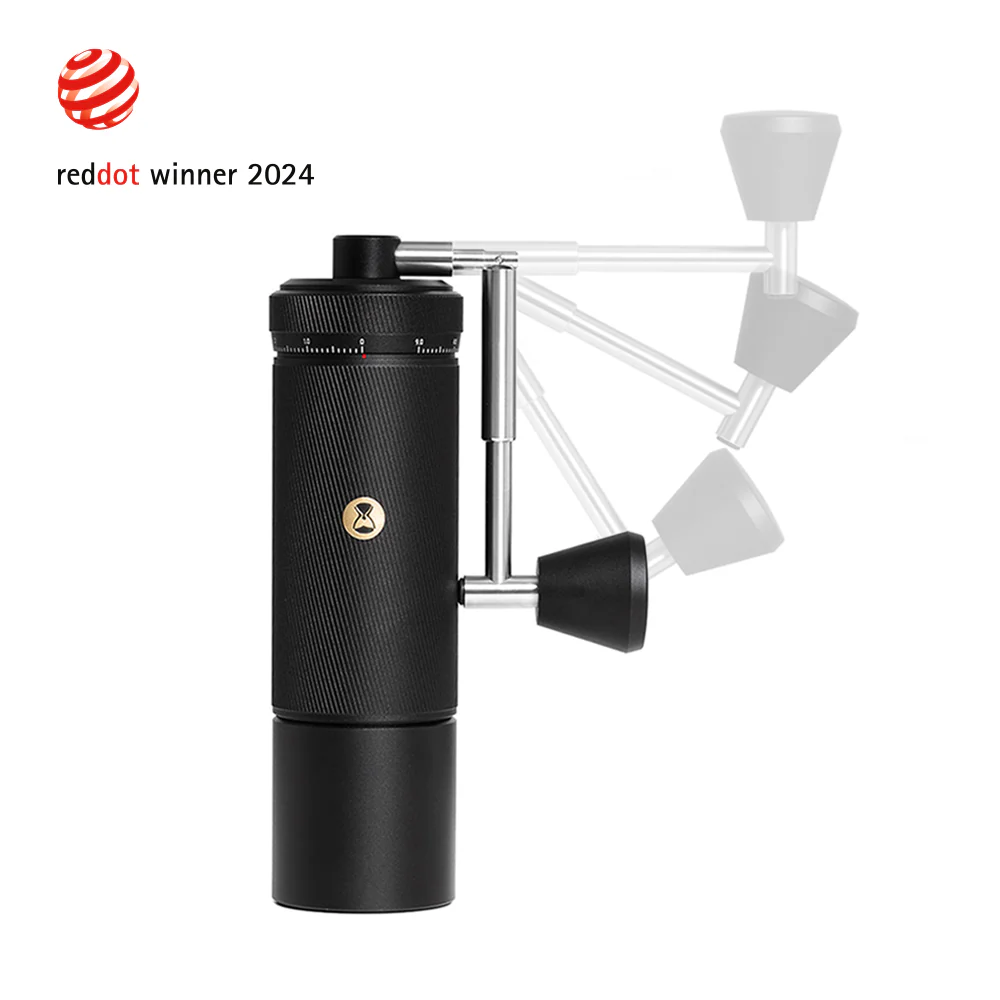
Timemore Grinder
For consistent particle size and better extraction:
Timemore Coffee Scale
For accurate coffee dose, water measurement, and brewing time:
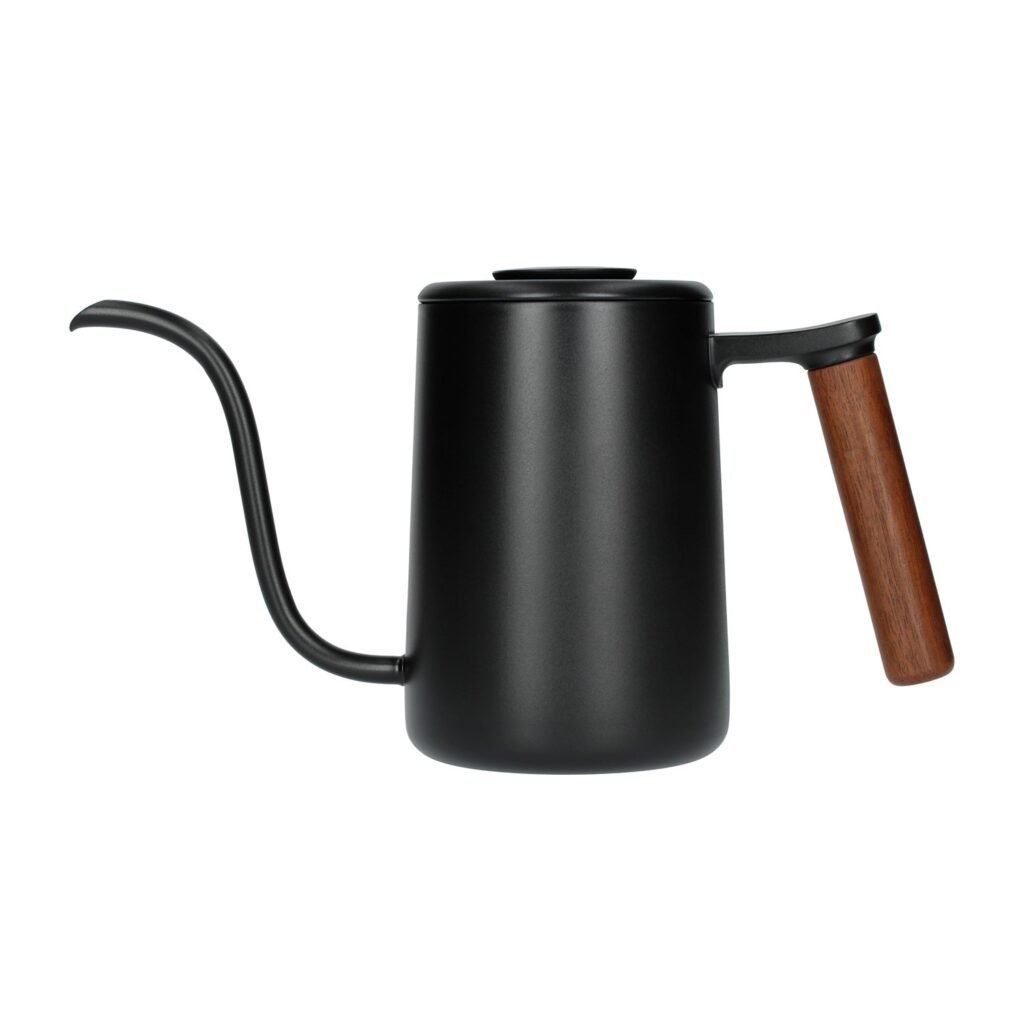
Gooseneck Kettle
For controlled pouring and even extraction:
V60 Troubleshooting Guide: How to Improve Your Coffee
Even with high-quality coffee and good equipment, your first V60 brews may not always taste perfect.
The good news is that most problems can be corrected by adjusting one brewing variable at a time.
The most important variables to adjust are:
- Grind size
- Water temperature
- Brew time
- Coffee ratio
- Pouring technique
Common V60 Coffee Problems and Solutions
| Taste or Problem | Possible Cause | Solution |
|---|---|---|
| Sour and watery | Under-extraction | Grind finer or increase brew time |
| Bitter and dry | Over-extraction | Grind coarser or reduce extraction time |
| Coffee tastes weak | Too much water or coarse grind | Increase coffee dose or grind finer |
| Coffee drains too quickly | Grind too coarse | Use a finer grind |
| Coffee drains too slowly | Grind too fine | Use a coarser grind |
| Uneven flavor | Poor pouring technique | Pour more slowly and evenly |
Common V60 Brewing Mistakes
Using Pre-Ground Coffee
Coffee loses aroma quickly after grinding.
For the best results:
- Buy whole beans
- Grind immediately before brewing
- Store beans properly
A quality burr grinder makes a significant difference.
Recommended:
Not Measuring Coffee and Water
Many beginners prepare coffee by estimation.
However, specialty coffee requires precision.
Using a coffee scale allows you to repeat successful recipes.
Recommended:
Using Poor Quality Water
Even excellent specialty coffee can taste flat when brewed with poor water.
Avoid:
- Strong chlorine taste
- Extremely hard water
- Unfiltered water with unstable minerals
Good water improves:
- Sweetness
- Aroma
- Flavor clarity
Changing Too Many Variables at Once
When adjusting your recipe, change only one variable.
For example:
If coffee tastes sour:
First try a finer grind.
Do not simultaneously change:
- Grind size
- Temperature
- Ratio
- Pouring method
Small controlled adjustments help you understand extraction.
Plastic vs Ceramic vs Glass V60: Which One Is Best?
Different V60 materials provide different brewing experiences.
| Material | Advantages | Best For |
|---|---|---|
| Plastic | Excellent heat retention, affordable, durable | Beginners and daily brewing |
| Ceramic | Premium appearance, traditional feel | Home enthusiasts |
| Glass | Elegant design, visual brewing experience | Coffee lovers who enjoy presentation |
| Metal | Durable and travel-friendly | Outdoor brewing |
Recommended Choice for Beginners
For consistent results, many professional brewers choose a plastic V60 because:
- It maintains temperature effectively
- It is lightweight
- It is affordable
- It is difficult to break
The best brewer is not necessarily the most expensive one — consistency and technique matter more than material.
Advanced Technique: Bypass Brewing
Bypass brewing is a technique where additional water is added after extraction.
Instead of brewing the entire volume directly through the coffee bed, you prepare a more concentrated brew and dilute it afterward.
Example:
Traditional recipe:
- 15 g coffee
- 250 g water
Bypass method:
- 15 g coffee
- 200 g brewing water
- Add 50 g hot water after brewing
Benefits of Bypass Brewing
This technique can create:
- Cleaner flavors
- Lighter body
- More noticeable floral and fruity notes
It is especially useful for:
- Light roasted Ethiopian coffees
- Competition-style recipes
- Coffee with delicate aromas
Frequently Asked Questions About V60 Coffee
What is the best grind size for V60?
A medium-fine grind is the best starting point.
However, the correct grind depends on:
- Grinder type
- Coffee origin
- Roast level
- Desired flavor
Adjust according to taste and brew time.
Why does my V60 coffee taste sour?
Sour coffee usually indicates under-extraction.
Possible solutions:
- Grind finer
- Increase water temperature
- Increase brewing time
Why does my V60 coffee taste bitter?
Bitterness often indicates over-extraction.
Try:
- Grinding coarser
- Reducing brew time
- Lowering water temperature slightly
How fresh should coffee be for V60?
Freshly roasted coffee usually performs best after a short resting period.
General guideline:
- Light roast: around 7–14 days after roasting
- Medium roast: around 5–10 days
- Dark roast: around 3–7 days
Always store coffee in an airtight container away from heat, moisture, and sunlight.
Do I need an expensive grinder for V60?
A good grinder is one of the most important investments in manual brewing.
Grind consistency directly affects extraction quality.
A reliable grinder such as Timemore can significantly improve brewing consistency.
Is V60 better than espresso?
They are different brewing experiences.
V60 highlights:
- Clarity
- Aroma
- Origin characteristics
- Sweetness
Espresso highlights:
- Concentration
- Body
- Intensity
Both methods can produce excellent coffee depending on your preference.
Final Thoughts: Mastering the V60 Brewing Method
Learning how to brew pour over coffee with a V60 is a continuous journey.
The most important elements are:
- Fresh specialty coffee
- Consistent grinding
- Quality water
- Accurate measurements
- Controlled brewing technique
The goal is not to find one perfect recipe.
The goal is to understand how each variable affects your cup and learn how to adjust your method for different coffees.
With practice, the V60 becomes more than a simple coffee brewer. It becomes a tool for discovering the origin, processing, roasting, and craftsmanship behind every specialty coffee.
Explore different origins, experiment with recipes, and enjoy the process of creating better coffee every day.
Continue Your Specialty Coffee Journey
Explore more educational guides from Coffee Point:
➤ Coffee Processing Methods: From Coffee Cherry to Green Coffee Bean
Learn how washed, natural, honey, and anaerobic processing methods influence sweetness, acidity, and flavor complexity.
➤ How Specialty Coffee Is Grown – 5 Essential Factors That Define Coffee Quality
Discover how altitude, climate, soil, and farming practices influence coffee quality before roasting.
➤ Coffee Roasting Guide: From Green Beans to Perfect Roast
Understand how roasting transforms green coffee beans and develops aroma, sweetness, acidity, and body.
Recommended Pour Over Equipment
Upgrade your home brewing setup with specialty coffee tools:
☕ Timemore Coffee Grinders