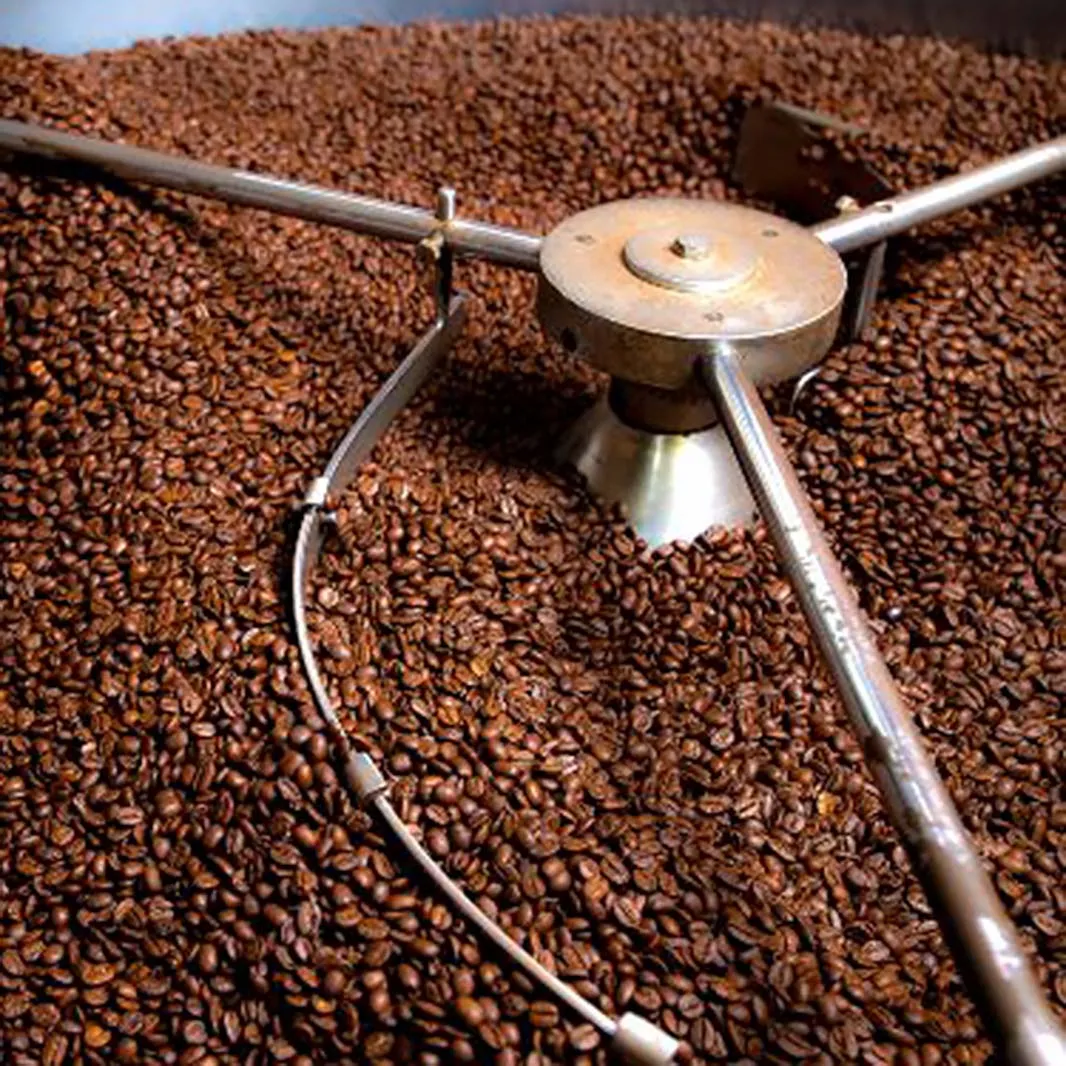
Coffee roasting transforms green coffee beans into the aromatic coffee we enjoy every day. It is one of the most important stages in the specialty coffee journey, shaping the sweetness, acidity, body, aroma, and balance of every cup.
In our previous articles, we explored how specialty coffee is grown, harvested, and processed. Once processing is complete, the coffee arrives at the roastery as a stable green coffee bean, ready for its final transformation.
During roasting, carefully controlled heat unlocks hundreds of natural flavor and aroma compounds that define the coffee’s unique character. Every decision the roaster makes—from temperature and airflow to development time—directly influences the final cup.
For specialty coffee, roasting is not about making beans darker. It is about revealing the unique characteristics of each coffee’s origin, variety, altitude, and processing method while preserving its natural sweetness and complexity.
What Is Coffee Roasting?
Coffee roasting is the carefully controlled process of applying heat to green coffee beans, transforming them into the aromatic coffee we brew every day.
Unlike roasted coffee, green coffee has very little aroma and cannot be brewed into the flavorful drink we know. During roasting, the beans undergo a series of physical and chemical changes that create the flavors, aromas, and sweetness associated with specialty coffee.
Throughout the roasting process:
- Moisture evaporates
- Beans expand in size
- Natural sugars caramelize
- Hundreds of aromatic compounds develop
- The beans change color from green to yellow, light brown, and eventually darker roast levels
By the end of roasting, more than 800 aromatic compounds have developed, giving coffee its familiar aroma and complex flavor profile.
Before coffee reaches the roaster, it must first be carefully grown, harvested, and processed. If you haven’t read our previous guides, discover how specialty coffee is grown and how different coffee processing methods shape flavor long before roasting begins.
👉 Read: How Specialty Coffee Is Grown
👉 Read: Coffee Processing Methods
Why Green Coffee Doesn’t Smell Like Coffee
Many people are surprised to discover that green coffee barely smells like coffee at all.
Fresh green beans usually have aromas similar to fresh grass, peas, hay, or raw grains.
The familiar aromas of chocolate, caramel, berries, flowers, nuts, and spices don’t naturally exist inside green coffee.
They are created during roasting through heat-driven chemical reactions.
This is why roasting is one of the most important steps in coffee production.
The Four Main Stages of Coffee Roasting
1. Drying Phase
Approximate temperature:
100–160°C (212–320°F)
Fresh green coffee contains approximately 10–12% moisture.
The first stage of roasting slowly removes this water.
Proper drying is essential because uneven moisture creates uneven roasting.
A slow and controlled drying phase builds the foundation for everything that follows.
2. Maillard Reaction
Approximate temperature:
160–190°C (320–374°F)
The Maillard Reaction is one of the most important chemical reactions during coffee roasting.
Natural sugars react with amino acids, creating hundreds of new flavor and aroma compounds.
This stage develops flavors such as:
- Chocolate
- Caramel
- Honey
- Toast
- Nuts
- Biscuit
Much of coffee’s sweetness develops during this phase.
The longer or shorter this stage lasts, the more it influences balance and complexity.
3. First Crack
Approximate temperature:
195–205°C (383–401°F)
As heat builds inside the coffee bean, water vapor and carbon dioxide create enormous internal pressure.
Eventually the pressure becomes too great.
The bean suddenly expands and produces an audible popping sound called First Crack.
This marks the moment when coffee officially becomes roasted and ready for brewing.
Most specialty coffees finish roasting shortly after First Crack to preserve origin character.
4. Development Time
After First Crack, the roaster carefully controls development time.
Although this stage usually lasts only one to three minutes, it has an enormous influence on:
- Sweetness
- Body
- Acidity
- Balance
- Finish
Even a difference of 20–30 seconds can noticeably change how the coffee tastes.
What Is Second Crack?
If roasting continues beyond the development stage, the coffee bean eventually reaches another important milestone known as Second Crack.
At this stage, the bean’s cellular structure begins to break down, allowing natural oils to migrate toward the surface. The roast becomes darker, acidity decreases, and smoky, bittersweet flavors become more dominant.
Typical flavor characteristics include:
– Dark chocolate
– Toasted nuts
– Smoke
– Bittersweet notes
As roasting progresses further, the coffee’s original characteristics—such as floral, fruity, or citrus notes—gradually become less noticeable.
Traditional dark roasts often continue into or beyond Second Crack.
Most specialty coffee roasters stop roasting before Second Crack to preserve the coffee’s natural sweetness, clarity, and origin character.
Why Coffee Beans Lose Weight During Roasting
Coffee beans lose approximately 12–18% of their weight during roasting.
This happens because:
- Moisture evaporates
- Carbon dioxide forms
- Volatile compounds escape
Interestingly, although the beans lose weight, they actually become physically larger.
The internal structure expands like popcorn as pressure builds inside the bean.
Coffee Roast Levels
Different coffee roasting levels create very different flavor profiles.
Light Roast
Light roasting preserves the coffee’s original character.
Typical flavor notes include:
- Floral
- Citrus
- Berry
- Tea-like
- High acidity
- Bright sweetness
Light roasts highlight the unique qualities of each coffee origin.
Medium Roast
Medium roast offers balance.
It combines sweetness, body, acidity, and origin character into a harmonious cup.
Typical flavor notes include:
- Chocolate
- Caramel
- Brown sugar
- Nuts
- Balanced fruit
Many specialty coffee roasters—including Coffee Point—prefer medium or light-medium roasting because it provides both sweetness and clarity.
Dark Roast
Dark roasting creates:
- Smoky flavors
- Heavy body
- Lower acidity
- Dark chocolate
- Toasted sugar
- Bittersweet notes
When coffee is roasted too dark, the unique flavors created by origin, altitude, and processing become difficult to distinguish.
✅ Coffee Roast Level Comparison
| Roast Level | Acidity | Sweetness | Body | Typical Flavors |
| Light Roast | High | High | Light | Floral, Citrus, Berry |
| Medium Roast | Balanced | High | Medium | Chocolate, Caramel, Nuts |
| Dark Roast | Low | Medium | Heavy | Smoky, Dark Chocolate, Bittersweet |
Why Specialty Coffee Uses Light to Medium Roasts
Specialty coffee is grown to express the unique characteristics of its origin.
Dark roasting masks these characteristics.
Instead, specialty roasters aim to highlight:
- Origin
- Terroir
- Altitude
- Variety
- Processing method
rather than roast flavor alone.
This is why most specialty coffees are roasted light to medium.
Roast level is only one part of brewing exceptional coffee. Choosing the right grinder and brewing equipment is equally important for achieving consistent extraction.
👉 Read: How to Brew Coffee at Home
👉 Browse Coffee Brewing Accessories
Coffee Roast Preferences Around the World
Coffee culture varies significantly from country to country.
Italy
Traditional Italian espresso is usually roasted medium-dark to dark, producing bold body with bittersweet chocolate notes.
France
French roasting has historically favored darker profiles with smoky, rich flavors.
United States & Northern Europe
Modern specialty cafés often prefer lighter roasts that emphasize fruit, floral aromas, and bright acidity.
Japan
Japanese specialty roasters are well known for exceptionally clean light roasts that showcase remarkable sweetness and clarity.
Georgia
For many years, coffee culture in Georgia was dominated by dark-roasted coffee, often blended with Robusta.
Today, as specialty coffee continues to grow, more people are choosing freshly roasted Arabica with medium and light-medium roast profiles that offer greater sweetness, balance, and cleaner flavors.
Why Every Coffee Requires a Different Roast Profile
There is no single roast profile that works for every coffee.
Each coffee origin reacts differently to heat depending on factors such as altitude, bean density, variety, and processing method. For example, high-altitude coffees are typically denser and require more energy during roasting than lower-altitude coffees.
Professional roasters carefully adjust temperature, airflow, drum speed, and development time to bring out the best characteristics of every coffee. Even small changes to the roast profile can significantly affect sweetness, acidity, body, and aroma.
This is why roasting is often described as a balance between science and craftsmanship. The goal is not to make every coffee taste the same, but to reveal what makes each origin unique.
Common Coffee Roasting Myths
Myth #1: Dark roast has more caffeine.
False.
Dark roast tastes stronger, but caffeine content changes very little during roasting.
Myth #2: Espresso beans are a different type of coffee.
False.
Any coffee can be brewed as espresso.
“Espresso roast” simply refers to a roast profile chosen for espresso extraction.
Myth #3: Burnt coffee means stronger coffee.
False.
Burnt flavors usually indicate over-roasting, not better quality.
Roasting Cannot Improve Poor Coffee
Roasting reveals quality—it cannot create it.
If coffee was harvested too early, poorly processed, or contains defects, no roasting profile can fix those problems.
Great coffee begins on the farm.
Roasting simply brings that quality to life.
Frequently Asked Questions
What is coffee roasting?
Coffee roasting is the process of applying carefully controlled heat to green coffee beans, transforming them into the aromatic roasted coffee used for brewing.
Does coffee roasting affect flavor?
Yes.
Coffee roasting directly affects sweetness, acidity, body, aroma, and balance.
Is dark roast stronger?
Dark roast has a bolder taste, but it usually contains about the same amount of caffeine as light roast.
Which roast is best for espresso?
Medium and medium-dark roasts are traditional choices for espresso, although many specialty cafés now serve light-roasted espresso to showcase brighter fruit flavors.
Why does specialty coffee avoid very dark roasting?
Because dark roasting hides the natural flavors created by the coffee’s origin, altitude, variety, and processing method.
How long does coffee roasting take?
Most specialty coffee roasts take between 8 and 15 minutes, depending on the coffee, roasting machine, and desired roast profile.
Does roasting change caffeine?
Only slightly.
The difference in caffeine between light and dark roasts is much smaller than most people believe.
Discover Freshly Roasted Specialty Coffee
At Coffee Point, we roast specialty coffee in small batches to highlight the unique character of every origin. By carefully controlling every roast profile, we preserve each coffee’s natural sweetness, balanced acidity, and distinctive flavor notes—from fruity and floral to chocolatey and nutty.
Fresh roasting makes a noticeable difference in aroma, flavor, and overall cup quality. Whether you brew espresso, V60, French press, AeroPress, or filter coffee, freshly roasted beans help you achieve a cleaner, sweeter, and more enjoyable cup.
Explore our selection of freshly roasted specialty coffee and experience the difference that freshness makes.